
Artificial intelligence (AI) has revolutionized writing tasks, but raw AI-generated text often feels mechanical, repetitive, or generic. That’s where an AI humanizer comes in — it rewrites or adjusts AI outputs so they sound natural, engaging, and closer to how a human would write.
Choosing the right tool matters if you want readable content that meets goals like SEO, readability, and avoiding superficial detection flags.
Tips to Choose the Best AI Humanizer
Below are the most important considerations when evaluating different AI humanizer tools.
i. Content Should Sound Human
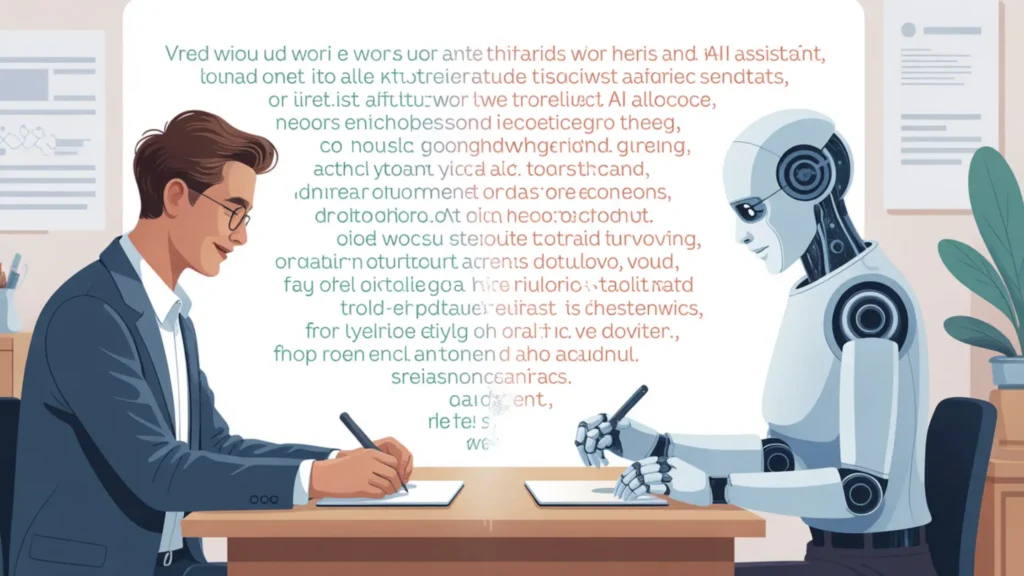
A core goal of an AI humanizer is to make text feel “natural,” with varied sentence structure, authentic phrasing, and conversational flow. In linguistic research, one key difference between AI and human writing lies in how sentences are structured and nuanced — human authors often weave in varied rhythms, emotions, and real-world context that AI alone doesn’t reliably replicate. (Source: Wiley Online Library)
Human writers tend to use contractions, emotional language, sensory descriptors, and rhetorical strategies that help content feel relatable and engaging. AI humanizers should help recreate this without sounding forced.(Source: Find your best AI tools)
ii. Keep the Original Meaning
A strong AI humanizer must preserve meaning and factual accuracy while altering the wording. Some tools rewrite text so extensively that they distort the original point, which can lead to misinformation or broken logic.
Academic research has shown that simple paraphrasing can evade AI detection but may not always maintain semantic integrity. A good humanizer should strike a balance — rewriting language patterns without changing what’s being said.(Source : arXiv)
iii. Ability to Reduce AI Detection Naturally

Many AI detectors (like GPTZero, ZeroGPT, and Turnitin) analyze statistical patterns and repetition typical of machine-generated text, such as consistent phrase structures or predictable token sequences.
Research demonstrates that paraphrasing alone can significantly reduce AI detection rates, especially when paraphrasing models diversify lexical choice and structure while keeping semantics intact.
Keep in mind: automatic detectors aren’t perfect — they can misclassify even human writing, especially from non-native English authors — so bypassing detection mechanically does not always guarantee “human quality.”(Source : arXiv)
iv. Easy to Use for Everyone
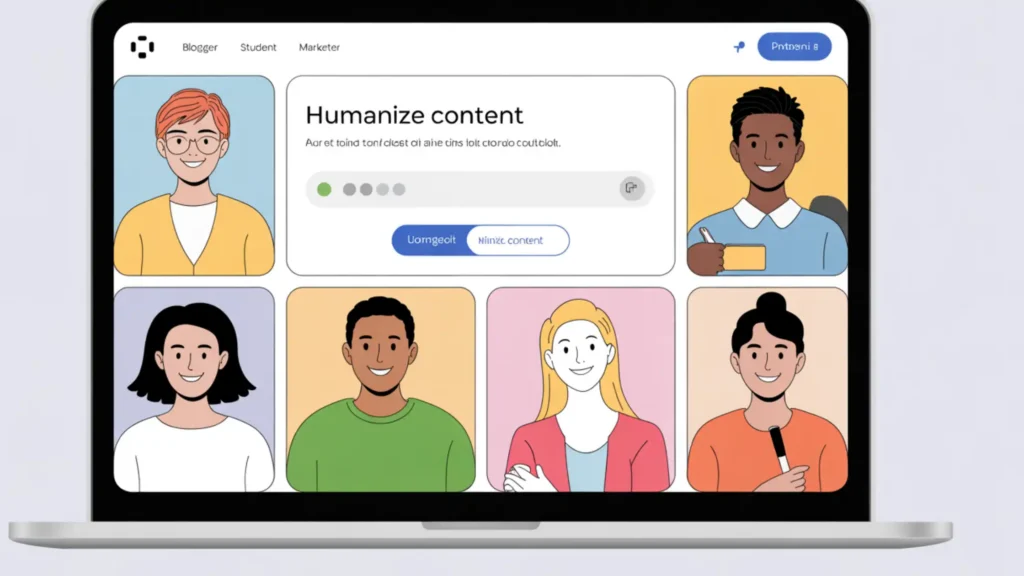
A top-tier AI humanizer should be intuitive and accessible, even to users without technical backgrounds. Tools that require minimal setup, drag-and-drop interfaces, simple copy-paste workflows, or clear prompts are generally more user-friendly.(Source : Future Agents)
Good usability reduces the risk of errors such as misapplied rewrites or unnecessary edits that complicate publishing.
v. SEO-Friendly Output
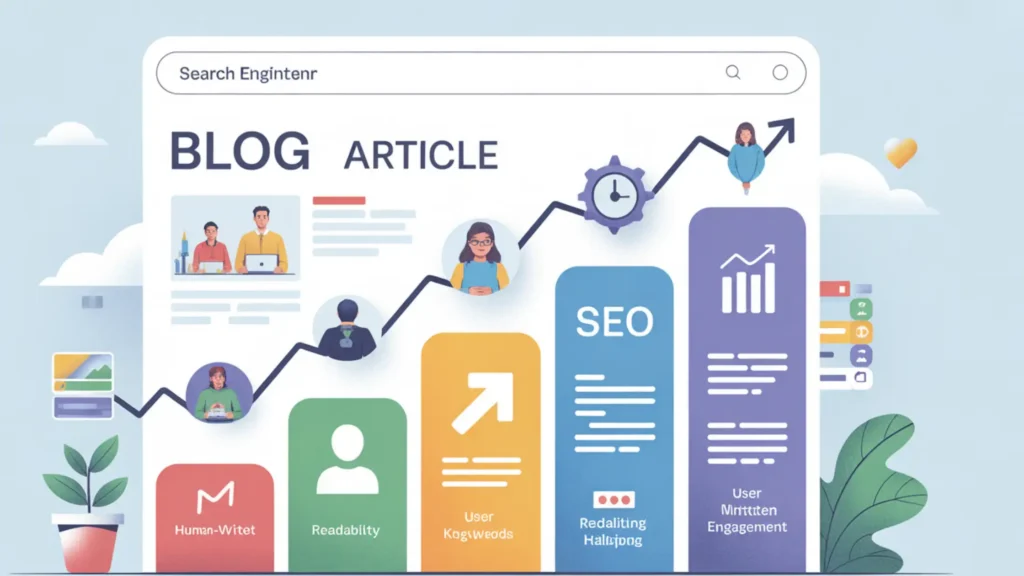
If content is intended for the web, SEO factors cannot be ignored. According to Google Search Central, AI content is not against search guidelines as long as it’s helpful, useful, and demonstrates quality signals like expertise and trustworthiness — collectively known as E-E-A-T (Experience, Expertise, Authoritativeness, Trustworthiness).
A good AI humanizer should help preserve:
- Keyword placement
- Topical relevance
- Concept clarity
Without degrading these elements, and it should avoid unnatural repetition or awkward phrasing that harms readability.
Important: Google rewards content quality, not the production method. High-quality, valuable content ranks well whether written by AI, human, or both.
vi. Free Version or Trial Availability
Tools that offer a free tier or trial period let you assess actual performance before committing financially. Many humanizers provide limited free usage — often with word limits or basic features — which is valuable for testing quality and how well the tool integrates into your workflow.
Free access also enables comparison between business goals — for example, checking whether a tool genuinely improves naturalness or just swaps synonyms (a shallow humanizing method).
vii. Support for Different Content Types
Depending on your use case — blog posts, essays, academic work, emails, or professional writing — you’ll want a humanizer that supports different formats and styles.
For example:
- Marketing blogs typically require conversational, engaging tone.
- Academic texts need structured precision and accuracy.
- Emails may demand personalized tone and brevity.
Top tools now offer multiple output styles or tone controls that help tailor the output for specific needs.
Comparison Table of Top AI Humanizer Tools (2026)
Here’s a comparison table of top AI humanizer tools (2026) based on reputable sources and real test data — including pricing, free plan availability, and best use cases. This table can help you quickly evaluate which tool fits your needs.
| Tool Name | Best For | Free Plan / Trial | Starting Price | Key Strengths / Notes |
|---|---|---|---|---|
| Humanify.ai | General humanizing for blogs & long form | Yes – free humanize up to 2500 words | Paid plans ~Free–$10/mo | Easy one-click humanizer for natural tone and flow — transforms AI text into more engaging human style quickly. (humanify.ai) |
| Humaniser | Privacy-first, quick humanization | Free tier | Paid plans ~$5–$20/mo | Generous free tier and no signup required with multi-style outputs. (Humaniser) |
| HumanizeAI.io | Flexible word limits & detector compatibility | Limited free use | ~$4–$7/mo | Offers customizable word limits and modes; works with AI detectors. (humanizeai.io) |
| Humanizer AI (humanizerai.com) | AI detection + humanization | Free tier | ~$6–$25/mo | Tool with built-in AI detection and word-level analysis plus humanization. (humanizerai.com) |
| TextToHuman.com | Unlimited free humanizing | Free | Free | 100% free unlimited humanizer (according to some listings). |
| QuillBot (Humanizer module) | Academic rewriting + humanizing | Yes | ~$8+ /mo | Combines paraphrasing, grammar fixes, and human-style rewrites. |
| Undetectable AI | Detector-bypass focus | Yes | ~$9.99/mo | Strong focus on rewriting to evade detection with tone control. |
| AIHumanizerPro.ai | High word limits + priority support | Free | ~$4.99/mo | Free tier with moderate limits and tonality modes. (aihumanizerpro.ai) |
| Humanizer.org | Multilingual & originality insights | No free? | ~$9.99/mo | AI humanization plus originality checks and multilingual support. |
| Humanize.ai Text (humanizeaitext.ai) | Advanced language options & SEO | No free? | ~$18/mo | Advanced humanization with language support and advanced features. |
Final Tips Before Choosing an AI Humanizer
Before selecting a tool, consider these final checkpoints:
- Accuracy Over Artifice: Tools that simply replace words without regard for context can hurt credibility or clarity.
- Human Oversight: Even the best humanizers benefit from a final human review — especially for factual accuracy and nuanced meaning alignment. (Source : Reddit)
- Purpose Matters: If you’re writing academic content, professional reports, or sensitive material, choose a humanizer that prioritizes factual integrity over aggressive rewriting.
Overall, don’t rely solely on “AI detection bypass claims.” Focus on how the tool improves readability, meaningful expression, and quality, because these are the attributes that ultimately matter for both readers and search engines.
FAQs – Choosing Best AI Humanizer
Q1: Can Google detect humanized AI content and penalize it?
A: Google does not penalize content simply for being AI-assisted. It focuses on quality, usefulness, and how well the content answers user intent — not the mere use of AI. Appropriate use of AI tools is allowed as long as the content isn’t designed purely to manipulate rankings.
Q2: Will using an AI humanizer guarantee better SEO rankings?
A: Not directly. Humanizing can improve readability and user engagement, which positively impacts SEO factors like dwell time and relevance. However, ranking depends on overall quality, topical authority, and user satisfaction signals.
Q3: Are AI detectors perfect?
A: No. Studies show various AI detectors can misclassify non-native English writing as AI, and paraphrasing methods can lower detection — but neither perfect detection nor “perfect avoidance” is guaranteed.
Q4: Should I use an AI humanizer for academic work?
A: Only with caution. For academic or professional content, preserve factual accuracy and citations. AI humanizers can help with tone, but you need human review to ensure quality and compliance with academic integrity policies.
Read More : How to Humanize AI-Generated Content Without Killing SEO?